Structural Drying & Dehumidification in Antioch, IL
After the water is out, the structure is still wet. The restoration crews dry wall cavities, framing, and slabs to a verified standard with air movers and dehumidifiers, 24/7 across Antioch.
(847) 565-2243Reach 24/7 Chain O'Lakes dispatch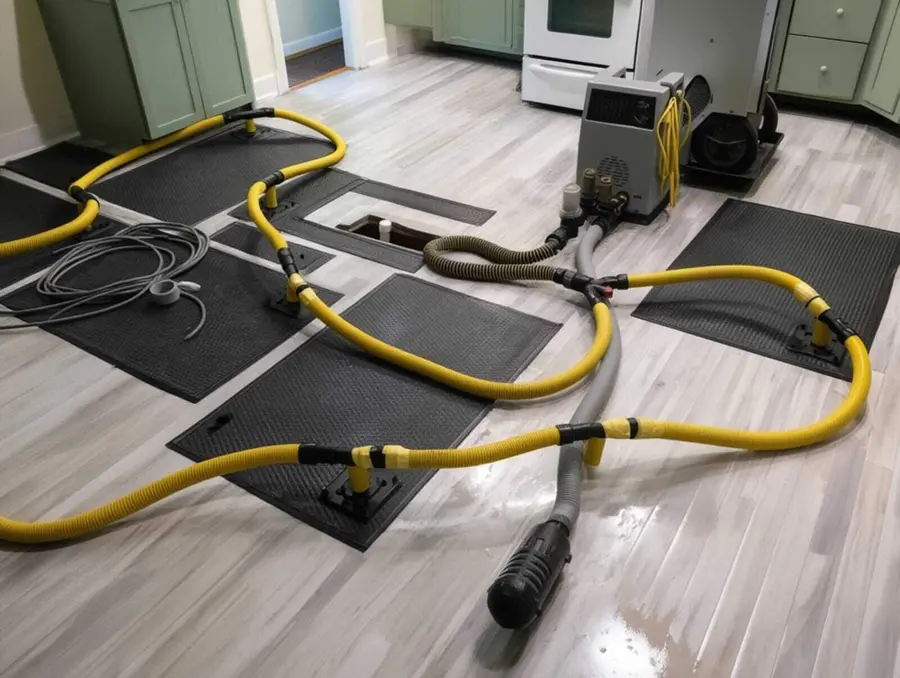
Why Antioch calls the water damage pros first
Rapid local response
The response team answers 24/7, and the nearest crew heads out the moment you call, across Antioch and the Chain O'Lakes, day or night.
IICRC S500 drying standard
Trained crews with truck-mounted extractors, air movers, and moisture meters dry to a verified standard, not a shop vac and a box fan.
Claim-ready documentation
The drying team documents the loss with photos and daily moisture readings, the paperwork an adjuster needs to move a claim.
Local water experts
Spring thaw floods, high-water-table basements, frozen pipes, and ice dams, so the local pros know how water moves in an Antioch home.
What to do right now for structural drying and dehumidification
Drying should begin the moment extraction is done, and the equipment needs to run continuously. Here is how to help it work.
- Leave the air movers and dehumidifiers running, do not unplug them
- Keep windows and exterior doors closed so the dehumidifiers can work
- Do not move the equipment, its placement is deliberate
- Leave interior doors open as the crew set them for air flow
- Call us with any questions rather than shutting equipment off
What does structural drying cost in Antioch, IL?
In Antioch, structural drying usually runs $1,500 to $6,000 as part of a loss, set by how many rooms are wet, how saturated the framing and slab are, and how many days of equipment the dry-out takes.
One or two rooms
- Air movers and a dehumidifier
- 3 to 4 days
- Surface and cavity drying
Basement or multi-room
- Multiple dehumidifiers
- 4 to 6 days
- Cavity and slab drying
Whole-home dry-out
- Large equipment fleet
- A week or more
- Extensive saturation
Want a number first? Try the Water Damage Cost Calculator for an Antioch range, then call for an exact, on-site scope.
How structural drying and dehumidification is handled in Antioch
Call and dispatch
The response team answers 24/7, and the nearest Antioch crew heads out with pumps, air movers, and moisture meters.
Find the source and map it
The tech who does the walkthrough stops the water at the source and maps its full reach, including what soaked into subfloor, wall cavities, and framing.
Extract and dry
The extraction crew pulls the standing water, then runs air movers and LGR dehumidifiers to a verified dry standard, not just the surface.
Verify and document
The drying team logs moisture readings until the structure is dry, then documents the loss with the photos and readings an adjuster needs to move a claim.
Pulling the standing water out is only half the job. Water soaks into drywall, framing, subfloor, and the slab, and if that moisture is not removed the materials warp, the finishes fail, and mold starts, often inside a wall where you cannot see it. The restoration technicians dry the structure itself with commercial air movers and dehumidifiers and monitor it daily until the readings confirm it is truly dry.
Why proper drying matters
In a cool, damp Lake County lower level, drying is what prevents the second wave of damage:
- Water trapped in a wall cavity or slab cannot escape without active drying
- Mold can start within 24 to 48 hours in undried materials
- Household fans move surface air but do not pull moisture from the structure
- Only meter readings confirm the framing and slab have reached a safe target
Drying follows water extraction on every job, from a frozen pipe in a wall to a flooded basement.
Dry means a reading, not a feeling
A wall can feel dry to the touch while the framing behind it is still wet. Crews dry to a documented moisture reading, which is what protects you from warped materials and hidden mold weeks later.
The drying process
Chain O'Lakes Water Restoration dries to a standard, not to a guess:
- Set air movers to move air across every wet surface and into cavities
- Run LGR dehumidifiers to pull the released moisture out of the air
- Open wall bases and drill discreet cavity vents where water is trapped
- Take daily moisture readings and adjust the equipment until it reads dry
The drying team pulls the equipment only once the meters confirm the structure has reached a safe, dry target, so the drywall and framing are genuinely dry and not just dry on the surface.
Why the desert-air myth does not apply here
Unlike a dry climate, a Lake County basement holds humidity, so drying needs mechanical dehumidification. The IICRC standards and Ready.gov describe proper drying and moisture control.
- Ambient air does little for water trapped in a slab or a wall cavity
- Dehumidifiers create the vapor pressure difference that pulls moisture out
- Daily monitoring is what separates a real dry-out from a surface dry
See the EPA flooding guide and University of Illinois Extension.
From downtown Antioch across the whole Chain O'Lakes
Antioch water damage pros respond across every Antioch and Lake County ZIP, day or night.
Antioch water damage pros cover the whole village and the Chain O'Lakes, day or night, with rapid local response.
Coverage runs across Antioch, Lake Villa, Lindenhurst, Fox Lake, Ingleside, Spring Grove, Round Lake, Grayslake, and the Chain O'Lakes.
See every neighborhood and ZIP coveredRelated restoration services
Structural Drying and Dehumidification questions, answered
Water in your home right now?
Do not wait for the FAQ. A local Antioch crew is standing by 24/7.
(847) 565-2243 Call the Chain O'Lakes lineHow long does structural drying take?
Most homes dry in 3 to 5 days, though a saturated basement slab, plaster, or hardwood can take longer. The drying team monitors daily and pulls the equipment only when the readings confirm a safe, dry target for the materials.
Why can I not just use my own fans?
Household fans move surface air but do not pull moisture out of framing, slab, or a wall cavity, and they do nothing about humidity. Commercial air movers plus dehumidifiers dry the structure so mold cannot start.
How do you know when it is dry?
The drying team takes daily moisture readings with meters and compares them to a dry standard for each material. Only when the framing, drywall, and slab reach that target do the crews call it dry and remove the equipment.
Do I have to leave the equipment running?
Yes, continuously. The air movers and dehumidifiers work as a system, and turning them off or moving them sets the drying back. Keep windows and exterior doors closed so the dehumidifiers can do their job.
Will drying stop mold from growing?
Fast, thorough drying to a verified standard is the best defense against mold, because mold needs moisture to start. Getting the structure dry within the first couple of days is what prevents it.
Is the equipment noisy or disruptive?
Air movers and dehumidifiers do run continuously and make steady noise, but the trade-off is a home that dries in days rather than weeks and avoids warped materials and hidden mold. The crew places them to dry effectively with as little disruption as possible.
A local Antioch crew is standing by
Water sitting means damage spreading. Call Chain O'Lakes Water Restoration and a local crew heads out across Antioch and the Chain O'Lakes, day or night.
(847) 565-2243A local crew picks up day or night